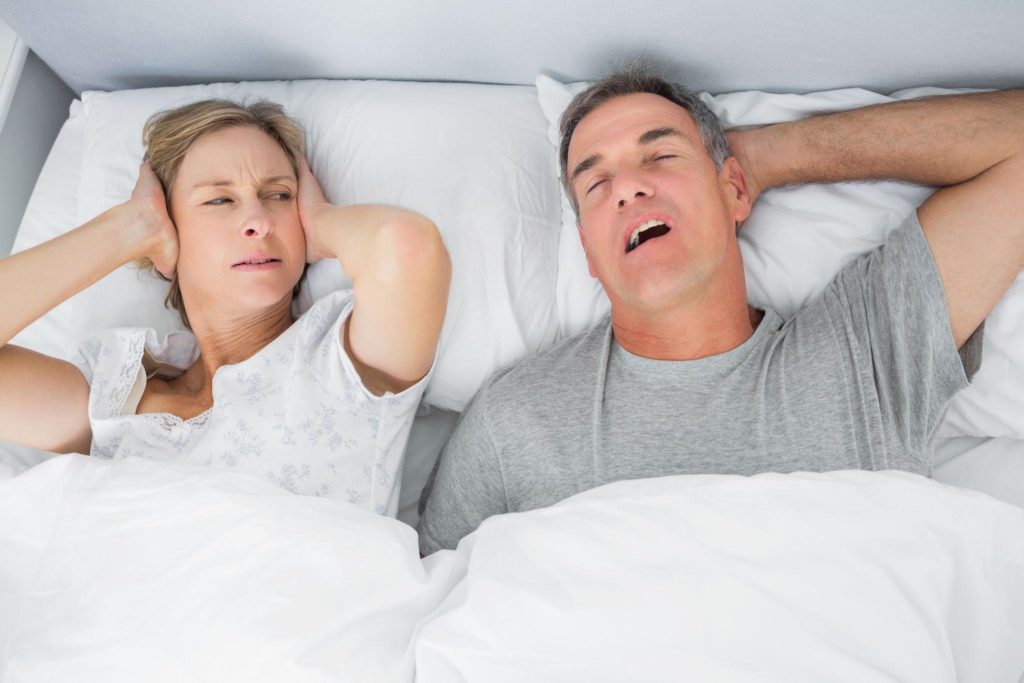
Understanding the Causes of Snoring and When Treatment Is Necessary
Snoring occurs when airflow through the upper airway becomes partially restricted during sleep, causing surrounding tissues to vibrate. Although occasional snoring is common, frequent or loud snoring can disrupt sleep quality and sometimes indicate an underlying medical condition.
Request an AppointmentPersistent snoring accompanied by gasping, choking, witnessed pauses in breathing, morning headaches, or excessive daytime sleepiness can be associated with obstructive sleep apnea. This condition causes repeated interruptions in breathing during sleep and requires appropriate medical evaluation.
An assessment focuses on identifying potential airway obstructions, reviewing sleep-related symptoms, and determining whether additional testing, such as a sleep study, is necessary.
Depending on the underlying cause, management options can include treating nasal allergies, adjusting sleep position, weight management when appropriate, oral appliance therapy, or continuous positive airway pressure (CPAP) treatment for diagnosed sleep apnea.
Identifying the cause of snoring is an important step toward improving sleep quality, supporting healthy breathing, and reducing potential sleep-related health complications.